
Key Takeaways
A good flower subscription fits your rooms, routine, and budget—not just your preferred bouquet. Check delivery details and plan terms before choosing a schedule.
- Choose a bouquet size that suits the room and vase.
- Match delivery frequency to how long you enjoy fresh flowers.
- Check the full price, including delivery and any extras.
- Confirm your Altona address, delivery window, and entry instructions.
- Read the policies for pauses, cancellations, and substitutions.
How a flower subscription works
A flower subscription is a repeating order arranged for a chosen schedule, though the exact setup varies by florist. Before signing up, find out whether each delivery is a fresh design or a repeat of a style you select. The details matter: a plan should feel easy to receive and enjoy, rather than another task to manage.
Recurring deliveries versus one-off orders
A one-off order works well when you have a particular occasion in mind or want to try a florist before committing. Recurring deliveries suit people who like having flowers at home or in a workplace on a regular basis. If you are still weighing up the options, this delivery-plan comparison offers another way to think through schedules, fees, and terms.
Consider how long you usually keep a bouquet and whether you want flowers on a set day or only for specific events. If you are sending a single arrangement to someone, a one-time delivery guide can help you think about timing and recipient details. A subscription is a continuing commitment, so check how many deliveries are included if you are buying it as a gift.
What a typical subscription may include
Plans commonly describe a bouquet and a delivery schedule, but other details can differ. Some may specify bouquet size or style, while others leave the selection to the florist. Read the listing carefully and ask about packaging, a vase, and delivery charges rather than assuming they are included.
Flowers can also be part of a larger gift. If you want to pair a bouquet with a written message, browsing greeting cards may help you settle on a tone that suits the occasion. Keep the recipient in mind, too: a note and a delivery date are useful only if the person will be able to receive the flowers.
How seasonal availability can shape each bouquet
A florist working with seasonal flowers may change the mix from one delivery to the next. That can bring variety, but it also means a photo may be an example rather than a promise that every stem will be identical. Ask whether the plan follows a general colour or design direction, and how the florist handles flowers that are unavailable.
If you would like to see the kinds of arrangements and delivery options available locally, browse a local Altona florist and look for clear notes about seasonal designs. A little variation is often part of the appeal; knowing what can change helps you decide whether that suits your expectations.
Choose flowers that suit your space and style
Think about where the bouquet will live before choosing a plan. A wide arrangement can overwhelm a narrow table, while a small bunch may disappear on a large counter. Your room, vase, and preferred look all help narrow the choices, and a little measuring beforehand can save a disappointing first delivery.
Match bouquet size to your room
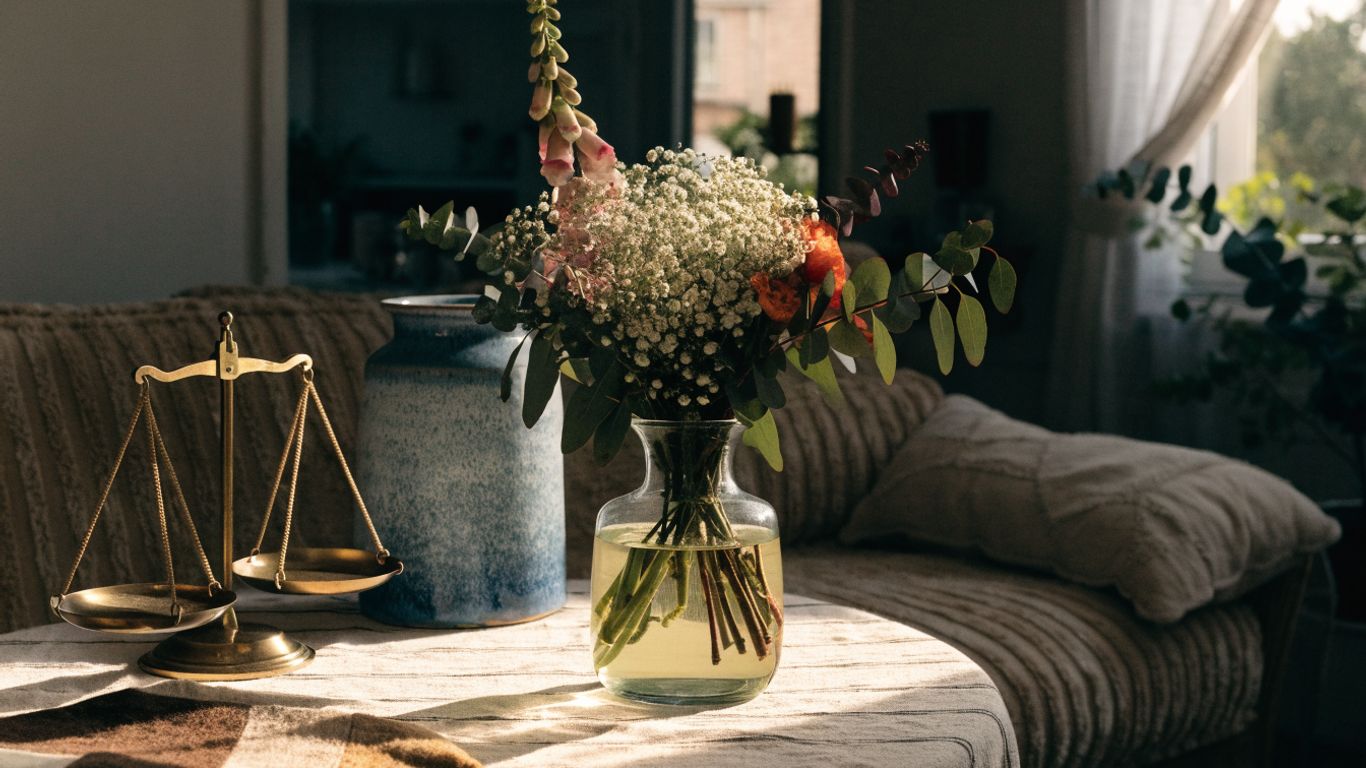
Look at the surface where you expect to place the flowers, then consider the space around it. A tall bouquet may suit an open entryway, whereas a compact arrangement can be easier to live with on a bedside table or crowded kitchen bench. Check whether a florist describes the arrangement by stem count, dimensions, or a general size label; those descriptions are not always interchangeable.
Measuring the vase opening and the available surface gives you a practical starting point. The same habit is useful when choosing other home furnishings, such as a pool lounger, where dimensions and available space affect whether it fits comfortably. For flowers, leave room to reach the arrangement and use the surface as you normally would.
Pick a colour palette and design style
A bouquet can echo the colours already in a room or add a deliberate contrast. Soft, restrained colours may blend into a quiet space, while a brighter mix can draw the eye in a neutral room. If a subscription offers design preferences, check whether those are requests or firm choices before expecting the same look each time.
It can help to describe what you enjoy in simple terms: light or saturated colours, loose or structured shapes, and a few favourite flowers if the florist invites preferences. Photos provide a useful reference, but seasonal availability can still shift the details. Choose a broad style you will enjoy across more than one delivery.
Consider pet safety and fragrance preferences
If pets share your home, check the safety of the specific flowers in a bouquet before bringing it within reach. Do not assume a mixed arrangement is pet-safe just because one flower in it is familiar. Ask the florist for the names of the stems and verify any concerns with a reliable veterinary resource.
Fragrance is another personal consideration, especially in a small room or around someone sensitive to strong scents. A lower-fragrance arrangement may be more comfortable for a bedroom or shared workspace. Mention these preferences when ordering, while keeping in mind that seasonal substitutions can affect the final mix.
Set a delivery schedule and budget
The right plan is one you can enjoy without feeling that flowers arrive too often or cost more than expected. Compare the total commitment over a few months, not only the price shown for one bouquet. Delivery charges, bouquet size, and the ability to change a date can all affect how worthwhile a plan feels.
Compare weekly, fortnightly, and monthly options
Weekly deliveries can suit someone who wants fresh flowers often and has room for them, while a monthly schedule may be easier to maintain in a smaller household. Fortnightly delivery sits between the two, but the best interval depends on how long you like to keep a bouquet and how quickly it changes at home. If the florist lets you choose a schedule, match it to your habits rather than treating the most frequent option as the best value.
Use a simple comparison to picture the rhythm and commitment of each plan. The table is a starting point, not a promise about how long any particular arrangement will last.
| Schedule | May suit | Question to ask |
|---|---|---|
| Weekly | A space that is styled often | Will I use and enjoy flowers this frequently? |
| Fortnightly | A steady but less frequent refresh | Does the interval fit my usual vase routine? |
| Monthly | A modest, occasional change | Will one bouquet feel sufficient between deliveries? |
Think about the answer in the context of your household. A monthly plan that you look forward to can be a better fit than a weekly one that begins to feel like clutter.
Check what is included in the subscription price
Look beyond the headline price and find out whether delivery is included, whether the bouquet size is specified, and whether any extras cost more. If the arrangement is a gift, check whether the price covers the whole term or only a single delivery. Comparing costs over the full period makes it easier to understand the commitment.
It is worth reading terms for other recurring or instalment-based purchases with the same care. For example, information about biofuel fireplace payment plans illustrates the kinds of fees and repayment terms people may want to examine when comparing a separate household purchase. For flowers, focus on the subscription’s own price, delivery fees, and stated terms rather than assuming another service’s pricing rules apply.
Decide whether flexibility is worth a higher cost
A plan that lets you skip or move a delivery can be useful if your calendar changes often. Before paying extra for flexibility, check exactly what the option allows and when you must request a change. Some terms may distinguish between skipping a single delivery and pausing the whole subscription.
The decision becomes clearer when you consider how likely you are to use the feature. For personal or workplace planning more broadly, Asset Protection LLC discusses onshore and offshore business planning, a separate topic with its own costs and compliance considerations. For a flower plan, keep your comparison focused on the florist’s written terms and the value of any flexibility you will actually use.
Check delivery details in Altona
A beautiful arrangement is only useful if it can reach the right person at the right address. Check the delivery area, timing, and any fees before you choose a plan, especially if the flowers are going to an apartment or workplace. Clear instructions can help avoid confusion on the day.
Confirm your address is within the delivery area
Enter the complete address, including the suburb and postcode, and confirm that recurring deliveries are covered—not only one-off orders. A florist’s general service area may not answer every question about a particular street or building. If the checkout does not make coverage clear, ask before paying for a subscription.
If the flowers are a gift, confirm the recipient’s address and contact details with them or the person arranging the delivery. A plan that works for your home may not cover another destination. It is better to check first than to discover a limitation after the first order is placed.
Review delivery days, time windows, and fees
Find out which days deliveries are made and whether the florist offers a specific time window or only a general delivery day. Ask whether the fee applies to every delivery and whether it changes with the destination. These details can affect both the total cost and whether the service fits your routine.
A few questions can make the delivery arrangement easier to judge:
- Which days are available for recurring deliveries?
- Is there a delivery fee on every order?
- Will someone receive the flowers if the recipient is away?
- How will the florist contact you about a delay or change?
Once you have the answers, compare them with your own schedule. If the delivery day is unpredictable, choose a location where flowers can be received safely and brought inside promptly.
Plan for apartments, gated entries, and missed deliveries
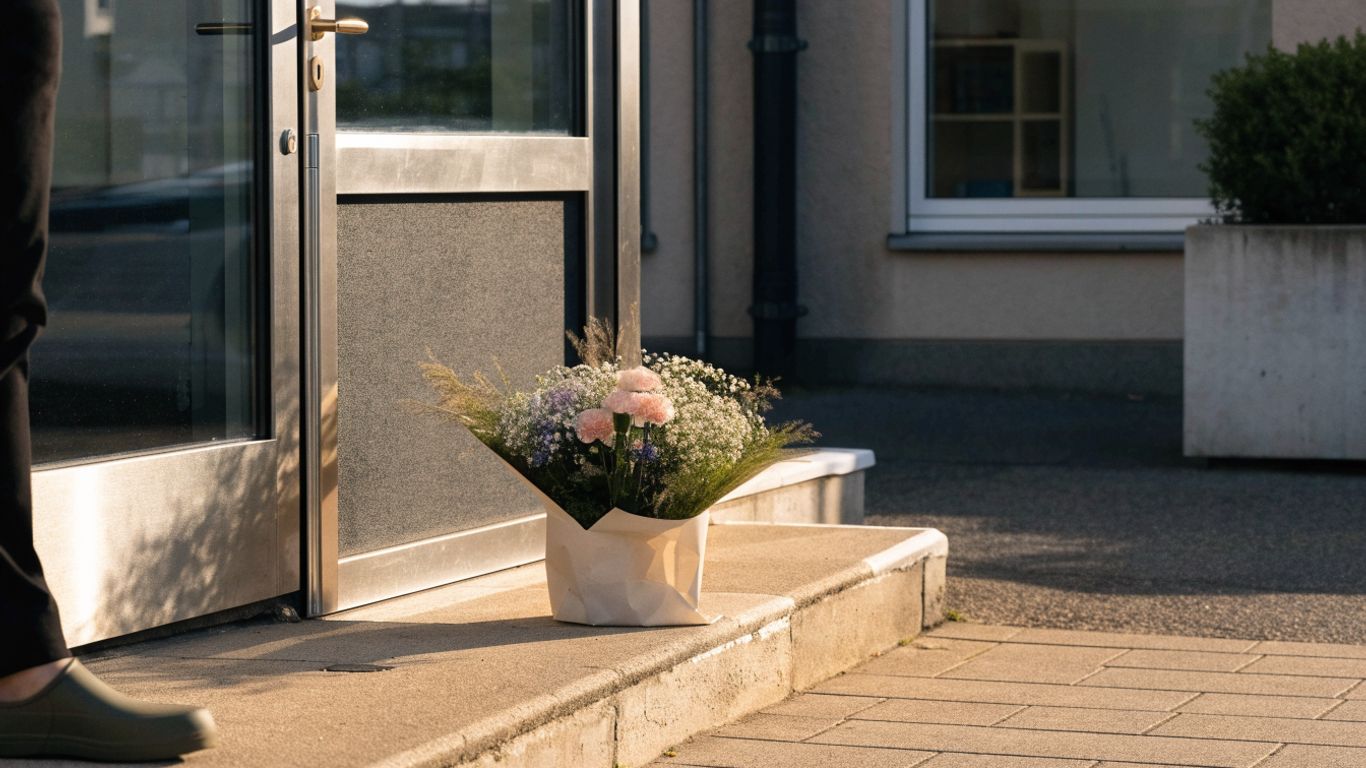
For an apartment, provide the unit number, building name, and any entry instructions the florist requests. If a gate or intercom is involved, check that the delivery person can reach the recipient or an agreed drop-off point. Do not assume flowers can be left in a lobby or outside a door without permission.
Ask what happens if nobody is available to receive the arrangement and whether the florist will attempt another delivery. A workplace reception or trusted neighbour may be a practical option, provided they know to expect the flowers. For deliveries to a shopping area or other shared address, verify the exact location and handover details rather than relying on a broad landmark.
Compare florists and subscription terms
A clear description is often more useful than a long list of appealing adjectives. Compare what each plan actually tells you about the flowers, delivery, and changes to the subscription. If a detail would affect your decision, look for it in the written terms or ask the florist directly.
Look for clear bouquet descriptions and photos
Useful listings explain the approximate size or style of a bouquet and show examples that give you a sense of the florist’s approach. Check whether photos are labelled as examples and whether the flowers may vary with the season. A specific stem list may be helpful, but it should also explain what happens if a listed flower is unavailable.
Look for practical information alongside the imagery: what arrives, when it is delivered, and whether a vase or other item is included. If the arrangement is meant for a gift, make sure the design and description suit the recipient rather than choosing from the photo alone. Clear information makes it easier to compare plans on equal terms.
Read policies for skips, pauses, and cancellations
Read the subscription terms before checkout, paying attention to notice periods and the steps required to change an upcoming order. A skip may apply to one delivery, while a pause may suspend the plan for longer; cancellation may have separate conditions. Write down any cutoff dates if you know your schedule will vary.
For a gift, confirm whether the subscription has a fixed end date or continues until someone cancels it. Also check how the florist communicates changes to a delivery. Knowing the process in advance makes it easier to manage the plan without relying on assumptions.
Check how the florist handles substitutions
Seasonal availability can make substitutions necessary, so find out whether the florist replaces a missing stem with something similar in colour, size, or value. Check if you can state flowers you would prefer to avoid. If exact blooms matter for an event or a personal reason, ask whether the plan can accommodate that before ordering.
A sensible substitution policy explains what may change and how the overall bouquet will remain consistent with the plan’s description. That does not mean every delivery will look identical; it means you have a clearer idea of what to expect. Keep a copy of the terms in case you need to refer back to them.
Keep subscription flowers fresh for longer
A few simple habits can help a bouquet look good after it arrives. Prepare a clean vase and a suitable spot before delivery, then follow any care directions supplied with the flowers. The right routine depends on the stems, but clean water and a little attention are useful starting points.
Prepare a clean vase before delivery
Wash the vase with soap and water, then rinse it well so old plant material or residue is not left behind. Choose a container that holds the stems comfortably without crowding them. If a care card arrives with the bouquet, read it before arranging the flowers because it may include instructions for that particular mix.
Getting the vase ready first means you can place the bouquet in water soon after it arrives. Keep the arrangement away from food and other surfaces where dripping water could cause a problem. A stable spot also makes it less likely that the vase will be knocked over.
Trim stems and refresh the water regularly
Use clean scissors or garden shears to trim the stems before placing them in the vase, following any specific instructions provided. Remove leaves that would sit below the waterline, then add fresh water and flower food if supplied. Recheck the arrangement as it settles, since stems may need a small adjustment.
Refresh the water regularly and rinse the vase if it becomes cloudy. Remove flowers as they fade so they do not crowd the remaining stems. These small steps keep the arrangement tidy and make it easier to notice when the bouquet needs a little care.
Choose a cool spot away from direct heat and sunlight
A cooler location away from direct sunlight, heating vents, and other sources of heat can help flowers last longer. Avoid placing the vase where a door opening or a busy walkway may disturb it. If you move the bouquet, choose a spot where it can be enjoyed without being exposed to harsh conditions.
Watch how the room changes during the day. A sunny windowsill may seem like a lovely display spot in the morning but become warm later on. Moving the vase to a steadier, cooler place can be a simple adjustment that helps the bouquet stay presentable.
Conclusion
Choosing an Altona flower subscription comes down to a few practical details: a bouquet that suits your space, a delivery rhythm you enjoy, and terms you understand before paying. Check the address and plan policies, then let the flowers bring a regular bit of colour into your routine.
Frequently Asked Questions
How often should a flower subscription arrive?
Choose an interval that matches how quickly you enjoy fresh flowers and how often you want to refresh the room. Weekly, fortnightly, and monthly schedules can each suit different routines.
Can I choose the flowers in every bouquet?
That depends on the florist and plan. Some may allow preferences, while seasonal availability can affect the exact stems, so check what the description promises.
Are vases usually included with flower subscriptions?
Not necessarily. Check the plan details to see whether the bouquet arrives with a vase or whether you will need to provide one.
What should I check before sending a subscription as a gift?
Confirm the recipient’s address, delivery area, schedule, and the length of the plan. Also check whether it has a fixed end date or requires cancellation.
Can I pause or skip a flower delivery?
Some plans may offer skips or pauses, but the rules vary. Read the terms for notice periods, cutoff dates, and how to submit a change.
What should I do if nobody is home for delivery?
Check the florist’s missed-delivery policy and provide clear instructions for a safe handover. If appropriate, arrange for a trusted person or workplace reception to receive the flowers.
How can I help subscription flowers last longer?
Use a clean vase, trim the stems, refresh the water regularly, and keep the arrangement away from direct heat and sunlight. Follow any care instructions provided with the bouquet.