

Key Takeaways
Sending flowers to a hospital can brighten a young patient’s day and provide comfort to the family. Familiarizing yourself with local protocols ensures your gift arrives smoothly and safely during a child’s recovery period.
- Always verify specific hospital rules before sending floral gifts.
- Choose bright, cheerful blooms that are safe for a pediatric environment.
- Look for florists experienced with medical facility regulations in the western suburbs.
- Include age-appropriate gifts like plush toys to enhance the gesture.
- Double-check patient room details to ensure successful, timely delivery.
Understanding hospital guidelines for floral gifts
When a child is in the hospital, sending a floral arrangement is a classic way to show you care. Hospitals often have unique internal policies to maintain a clean environment and protect patient well-being, so it pays to be prepared. Before buying, a quick phone call to the ward can clear up any restrictions regarding fresh flowers.
Checking hospital policy regarding fresh blooms
Every hospital has a designated set of patient visitor regulations, and those affecting floral deliveries are no different. Some units, especially intensive care or specialized allergy wards, may restrict natural flowers due to potential bacteria in soil or water.
Avoiding strong scents that may affect respiratory comfort
Maintaining a comfortable environment is essential for recovery, which means avoiding flowers with strong, overpowering perfumes. You want to prioritize light, fresh scents that won’t overwhelm a child or, more importantly, trigger secondary issues for others on the ward who may have sensitivity. It is often safest to choose mild options that won’t cause distress.
Selecting pollen-free options for medical wards
Allergies can be a serious issue in hospital settings, making it necessary to select varieties with minimal or no pollen. By opting for specific blooms that are naturally low-allergy, you can ensure that your contribution is safe and considerate for everyone.
Best types of flowers for children
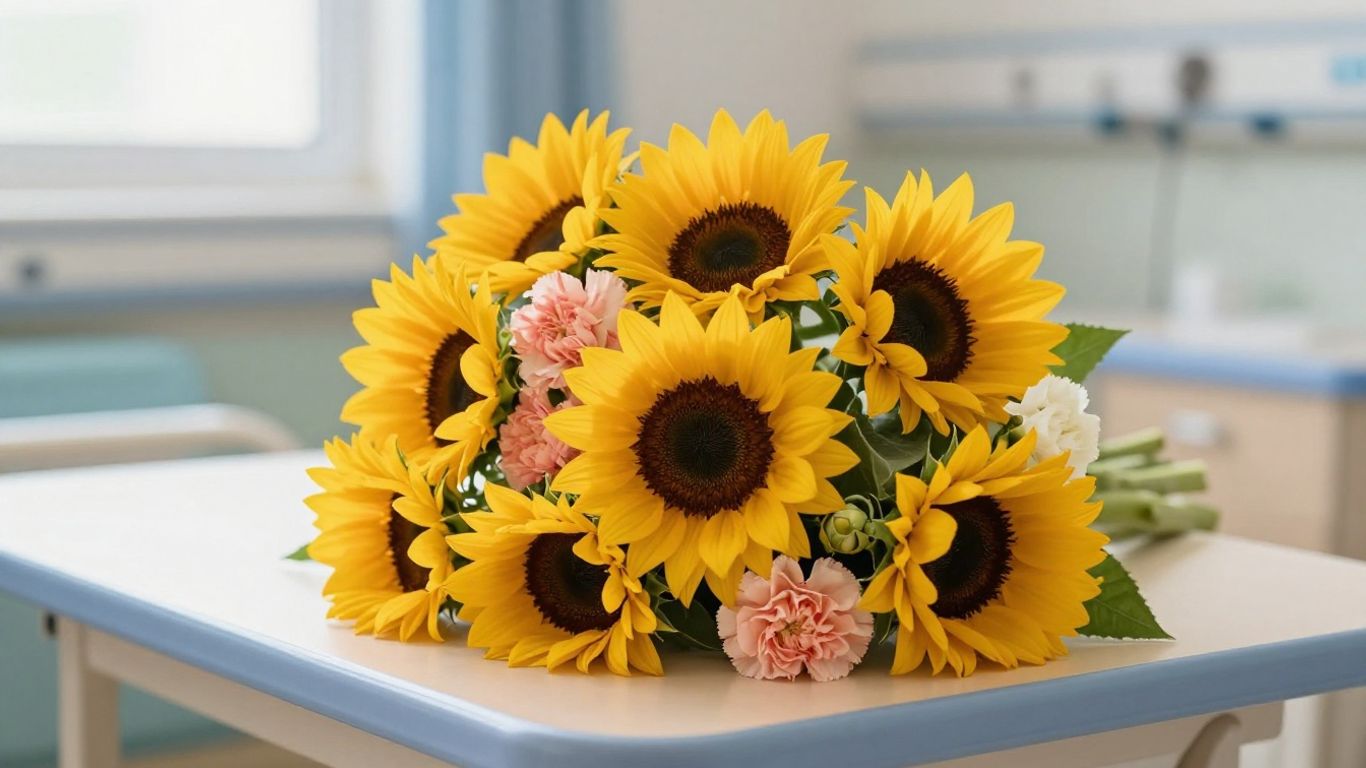
Choosing the right blossoms involves balancing beauty with functionality. A sick child often responds well to vibrant colors that uplift the ambiance of a clinical space. When selecting an arrangement, think about what might hold their attention without demanding extra work from their caregivers.
Choosing bright and cheerful colors to boost morale
Bright yellows, oranges, and soft pinks create an instant mood booster for a child stuck in a sterile environment. These colors can transform a drab shelf or bedside table into a space filled with warmth. It provides a source of positive engagement, especially when the child can point to colors they recognize and love.
Considering low-maintenance arrangements for busy parents
Parents managing a child’s health are often overwhelmed, so keeping gifts simple is a sign of kindness. Arrangements that don’t need frequent water changes or complicated pruning are ideal. This allows the family to enjoy the gesture without the burden of extra chores.
The benefits of choosing durable, long-lasting blossoms
Selecting flowers that have a long vase life ensures the memory of your thoughtfulness lasts throughout the recovery phase. Some hardy varieties stay fresh for days, acting as a consistent, pleasant companion during the stay. To help you decide, consider how these common options compare based on their suitability for a younger recipient:
| Flower Type | Allergen Potential | Maintenance Level | Color Vibe |
|---|---|---|---|
| Sunflowers | Very Low | Minimal | Bright & Bold |
| Carnations | Low | Long-lasting | Soft & Playful |
| Gerberas | Low | Moderate | Vibrant Candy |
These durable choices are often recommended because they remain resilient in indoor environments while keeping a cheerful aesthetic that appeals to children.
Working with local florists in Altona Meadows

Collaborating with professional shops ensures that your vision for the perfect gift is executed accurately. When you work with a team that knows the region well, you can avoid common issues like delayed arrivals or incorrect addresses. It is helpful to mention that your gift is for a pediatric patient so the shop can take extra care.
How to communicate your specific delivery window
Clarifying the delivery window helps the courier coordinate with staff who might be in meetings or procedures. You can trust modern services like William’s Landing Bloom to manage these timelines effectively, provided you give them clear instructions at the time of your order. It is standard to provide a contact number for the ward or the parent so that the delivery is never left unattended.
Requesting custom designs suitable for a pediatric setting
Professional florists are often happy to create custom arrangements that break away from standard "adult" styles. Asking for specific themes, like nature scenes or colors related to a favorite hobby, can make a huge impact on the child’s morale. Using Fresh Flowers By Tracey for these arrangements is a reliable path, as they understand the local landscape of western suburb services and deliveries perfectly.
Ensuring professional florists have experience with local medical facilities
Experience working with specific local hospitals means the florists understand where the reception desks are located and how to handle hospital security. This institutional knowledge is invaluable when time is sensitive. Reliable providers handle these routes daily, making them well-versed in the nuances of getting a gift to the right floor safely.
Adding thoughtful touches to your flower delivery
Sometimes, the best gift includes more than just the flowers themselves. Combining your arrangement with small, age-appropriate additions shows extra care and creates a more engaging experience for the child. This effort transforms a simple bouquet into a complete package of support.
Including age-appropriate plush toys or cheerful balloons
Adding a soft toy provides a physical comfort object the child can hold during difficult diagnostic tests. A Mylar balloon can also stand out visually and remains easy to manage since it doesn’t require water.
Writing comforting messages for both the child and their caregivers
Your card message should aim to be both simple for the child to understand and supportive enough for the parents to appreciate.
Selecting child-safe and non-toxic vases or containers
Safety is paramount, so always choose plastic or shatterproof containers rather than heavy glass or ceramic. This ensures that even if an accident happens during play, there is zero risk of broken glass. Consider these extra elements as ways to show you support the recovery process:
- Attach a small, soft, non-shedding plush animal.
- Select a bright, weighted plastic vessel to avoid tipping.
- Write a short note encouraging rest and healing.
- Include a small Mylar balloon that won’t trigger latex allergies.
This holistic approach, focusing on safety and emotional support, ensures your gift stands out as something the family truly loves and finds useful during a tough time.
Navigating delivery logistics in the Altona Meadows area
Local logistics can sometimes be complex, especially with fluctuating hospital visiting hours. You should always ensure you have the patient’s full name as registered at the hospital, as this is the most critical detail for the information desk.
Verifying patient room details before placing an order
Double-check that you have the correct ward information and room number before checking out. Even a slight error can lead to a delivery being rerouted to staff lockers, causing unnecessary delays in reaching the young recipient.
Accounting for same-day delivery schedules and cut-off times
Many florists require orders to be placed by a specific hourly mark to accommodate their routes. If you need something delivered quickly, make sure to check delivery information guidelines early in the morning so you don’t miss the logistical window.
Steps to take if the recipient is discharged or transferred early
It is common for hospital stays to be unpredictable. If the child is moved or sent home, ensure your florist has a secondary contact number or a backup address to arrange for a redirection, keeping your thoughtful gift secure.
Conclusion
Bringing the joy of flowers to a child in the hospital is a beautiful way to show you are thinking of them, and with a little bit of planning, you can make the process easy on everyone involved. By sticking to safety-first guidelines and coordinating well with your local team, you ensure your gift arrives exactly when it is needed most to bring a smile to a brave young patient’s face.
Frequently Asked Questions
Can I send flowers to a pediatric intensive care unit?
Most units restrict fresh flowers due to the risk of infection, so it is best to check with the nurses’ station before placing your order.
What are the best non-floral alternatives for a child?
Consider items such as soft toys, age-appropriate picture books, or activity sets that provide entertainment without the risk of allergens.
Is same-day delivery always guaranteed?
While many florists offer this service, it is dependent on their current capacity and when you place your request during their business hours.
What if the child has a known severe allergy?
Always err on the side of caution and opt for silk flowers or high-quality artificial alternatives that pose no risk to their respiratory health.
How can I make sure the flowers stay fresh?
Choose hearty varieties like carnations or alstroemeria and ask the florist for high-quality, pre-filled water packs that require no extra maintenance.
Should I include a note for the parents as well?
Including a kind word for the parents is excellent, as they are often exhausted and appreciate the acknowledgement of their dedication.
What should I do if the flowers arrive and they look different than expected?
Contact the florist immediately; most reputable local shops will prioritize your satisfaction and offer to correct the mistake if the items don’t match your request.